The Tech Issue
Abstract
ARCHIVIO opens its third editorial cycle: four thematic issues, each curated by a Guest Editor with deep expertise, offering access to worlds where past, present, and future converge.
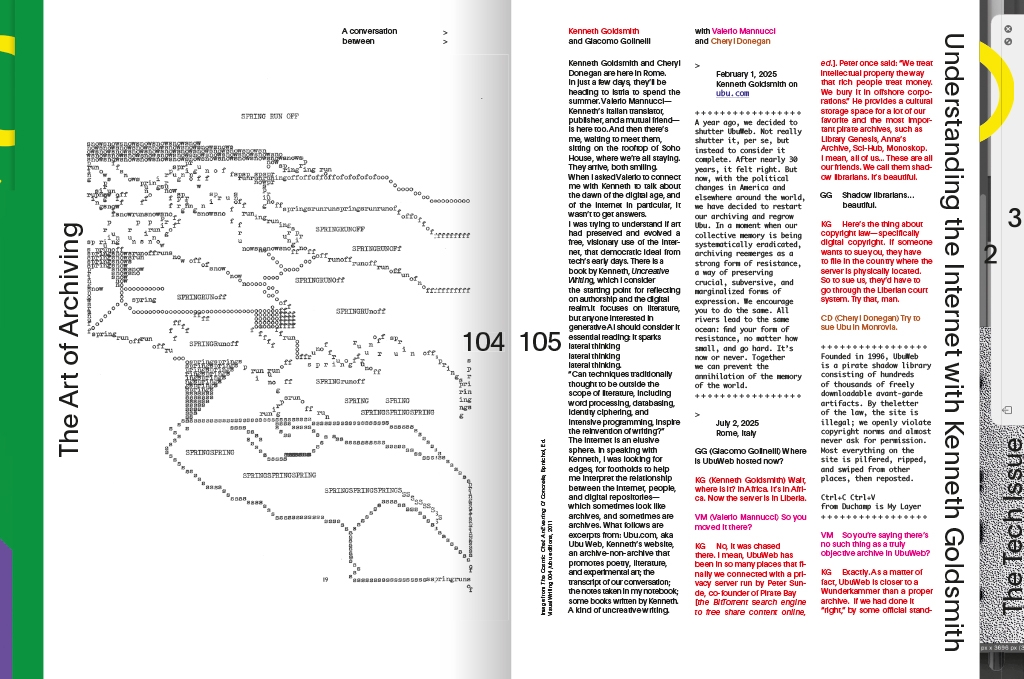
The third issue, ARCHIVIO N°11, focuses on technology and is curated by Massimo Banzi, co-founder of Arduino, together with Cecilia Botta, technology historian and Head of Memories at Promemoria Group, the magazine’s publisher. Daniela Hamaui oversees editorial direction, while Alessandro Gori shapes the art direction.
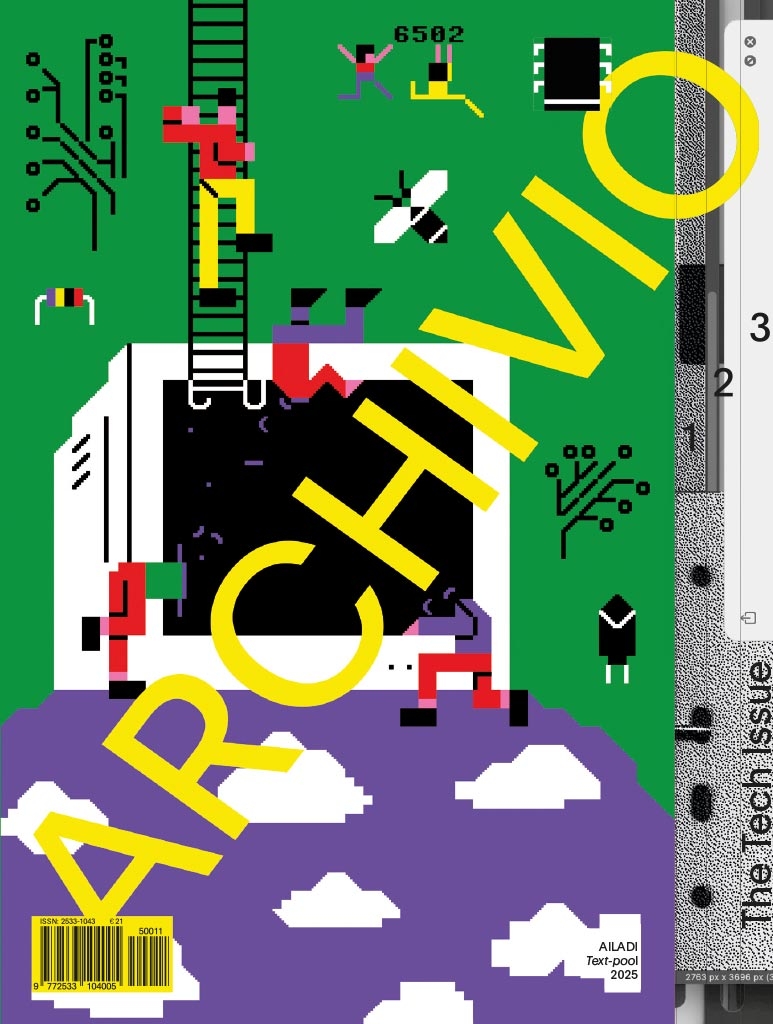
The cover, designed by artist Ailadi, pays tribute to the early aesthetics of the digital age. Created using PETSCII, the character set of Commodore 8-bit computers, it evokes the visual language of technology in its formative years.
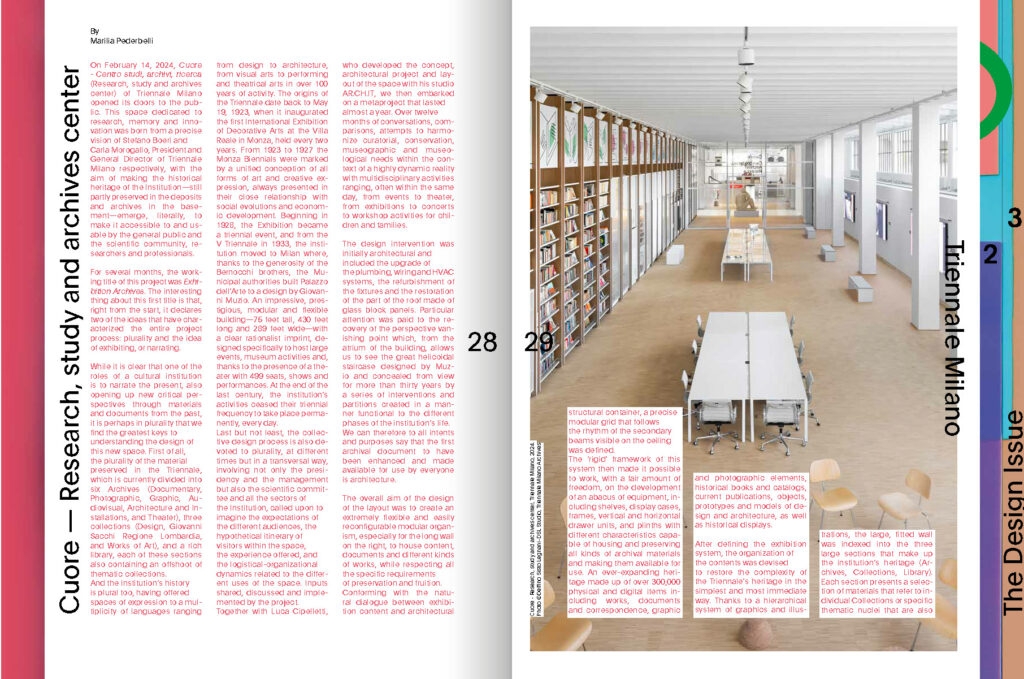
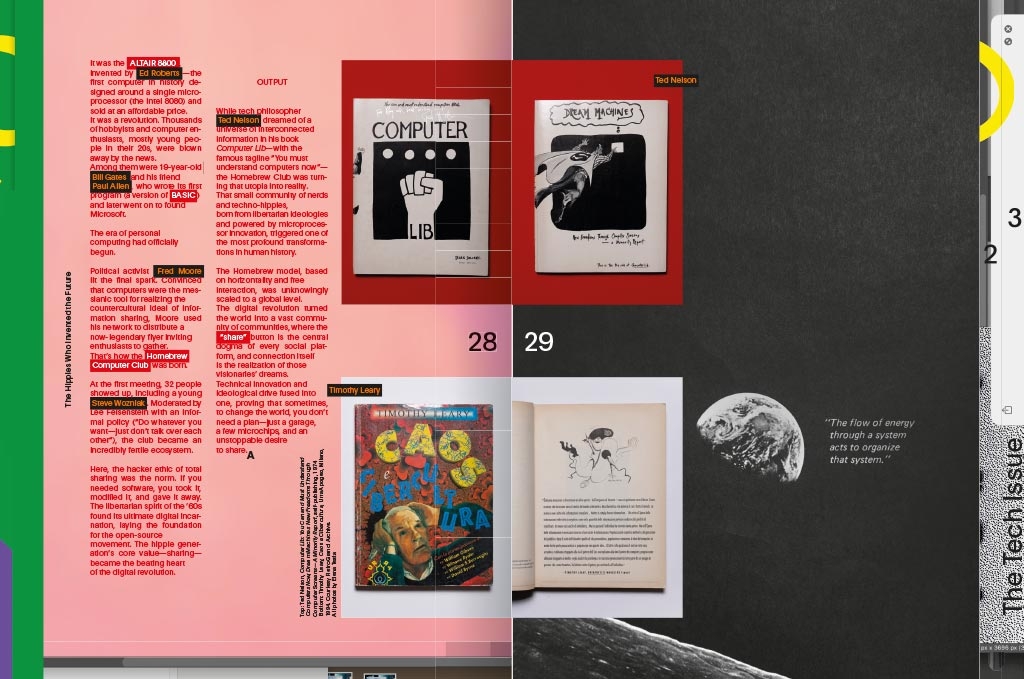
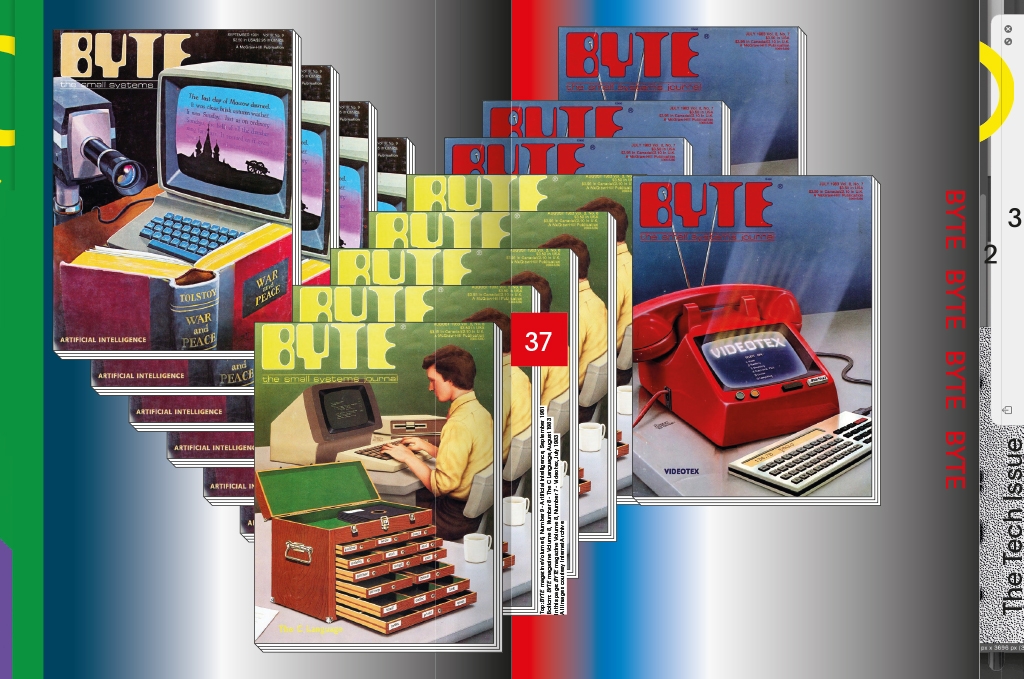
ARCHIVIO N°11 maps the international landscape of technology archives, tracing the roots of the digital revolution and exploring the places where our technological past is preserved, along with the collectors and institutions that recognized its cultural value.
The issue is structured in three sections — Stories, Institutions, Collectors & Collectives — and includes a special poster: an (in)complete mapping of Italy’s technology archives, researched by Promemoria Group and visually interpreted by Accurat.
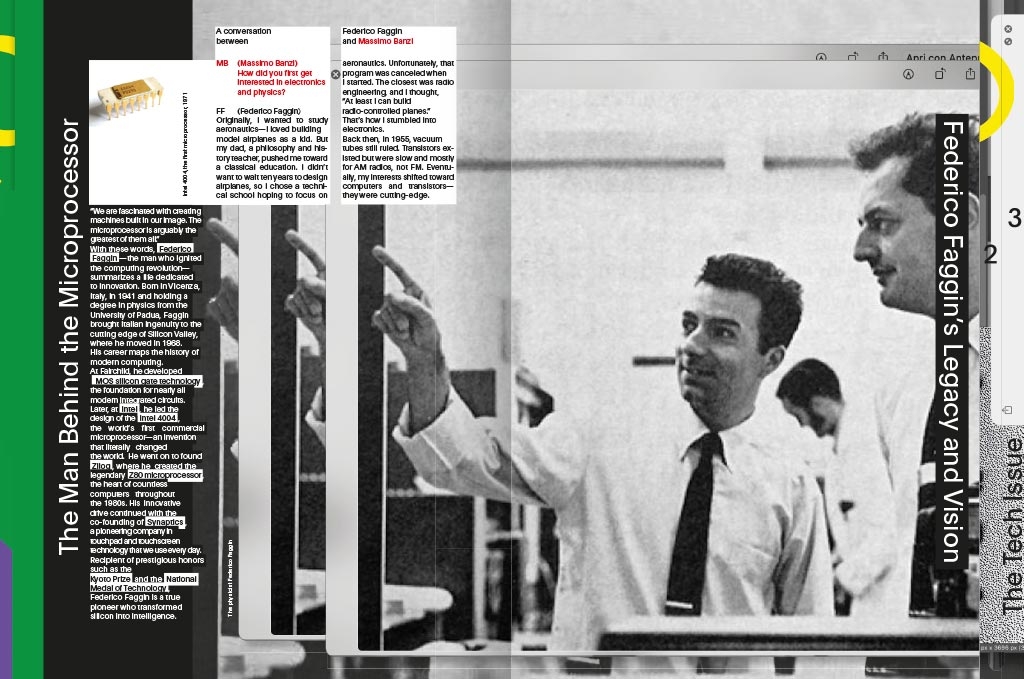
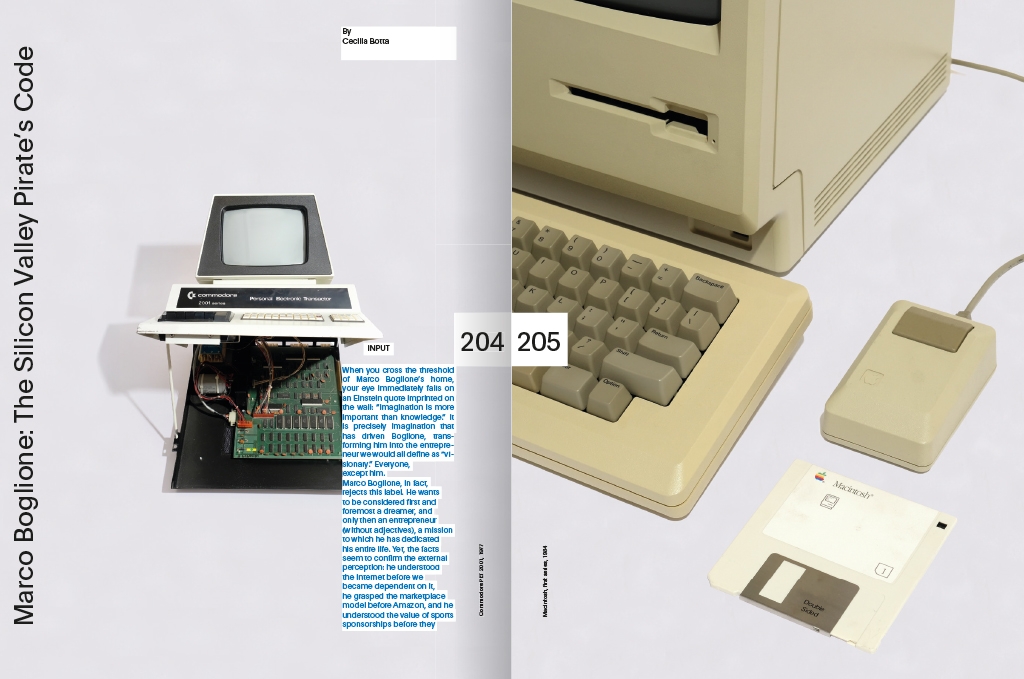
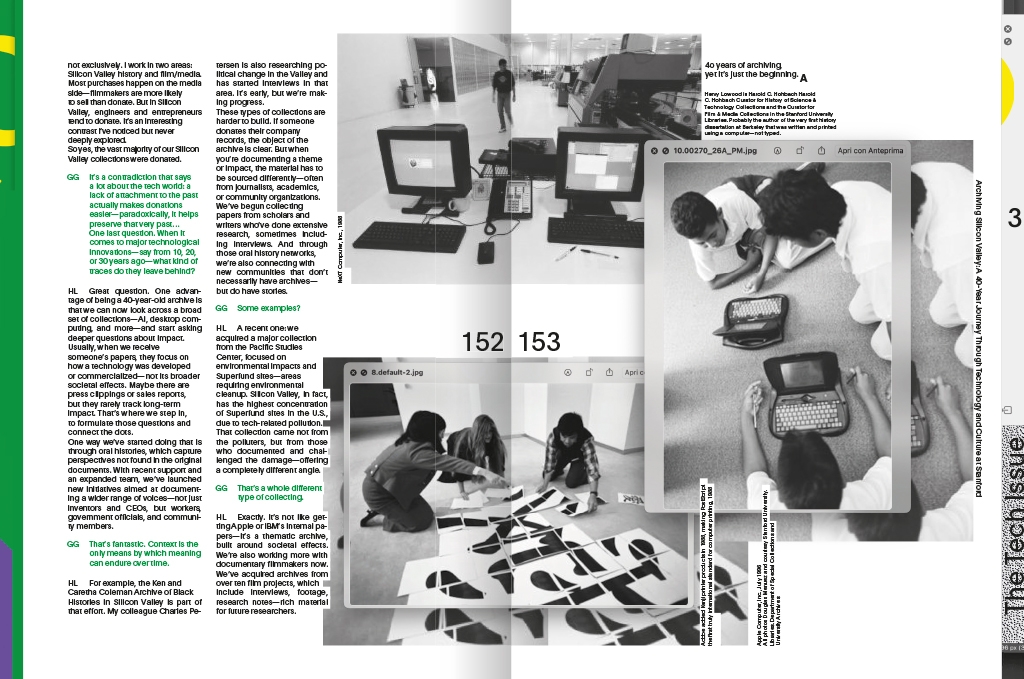
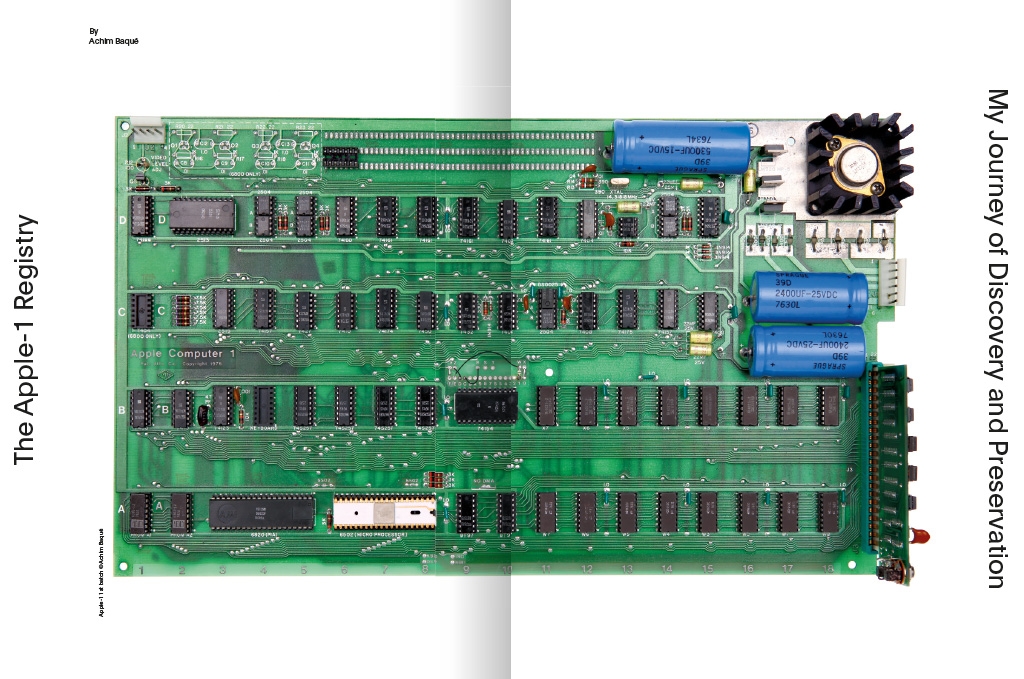


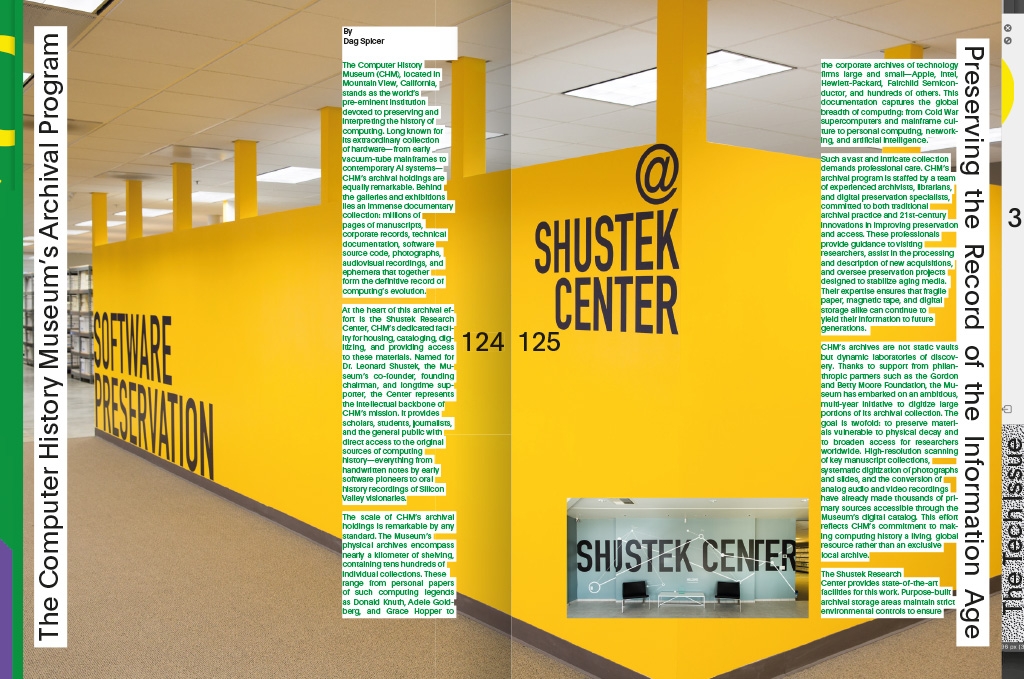
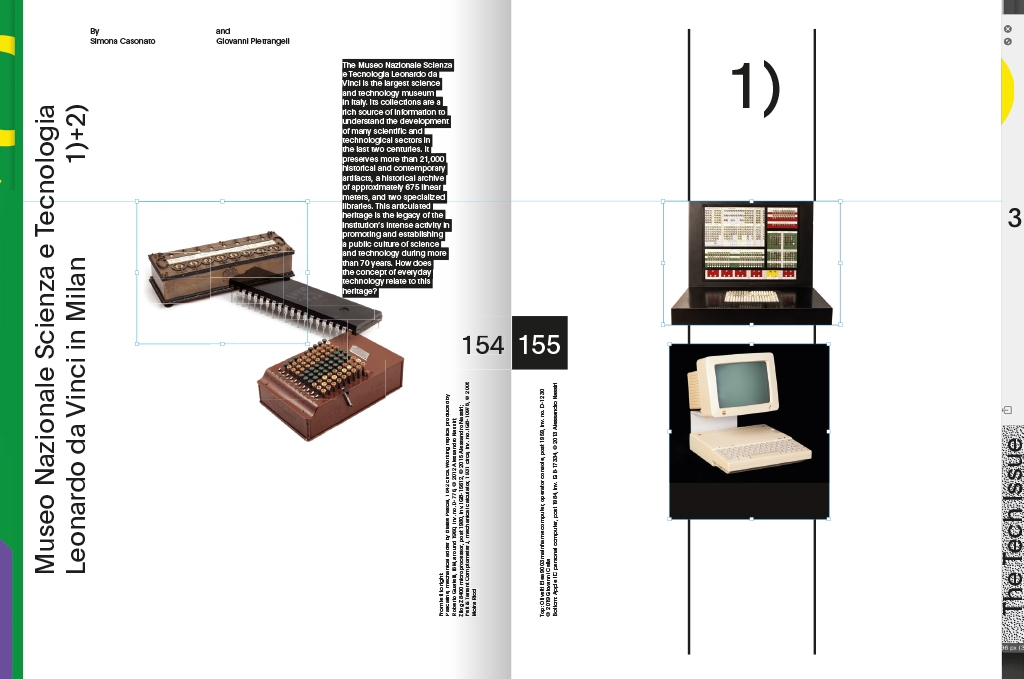
Massimo Banzi,“Often the most important innovations are the ones people talk about the least. The 6502 powered machines that defined a generation: these computers processed dreams, turning teenagers into programmers and hobbyists into entrepreneurs.”
Guest Editor
Glimpse of the Month
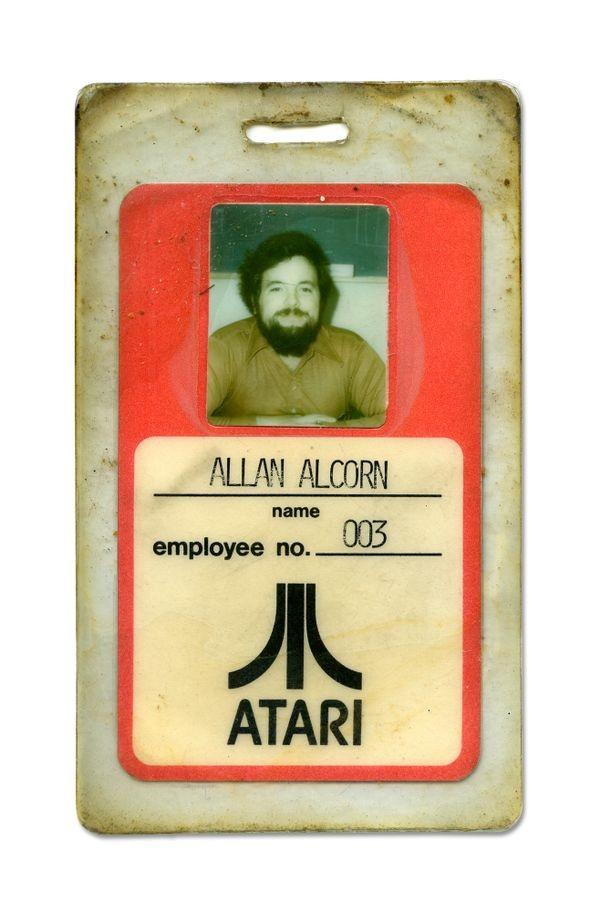
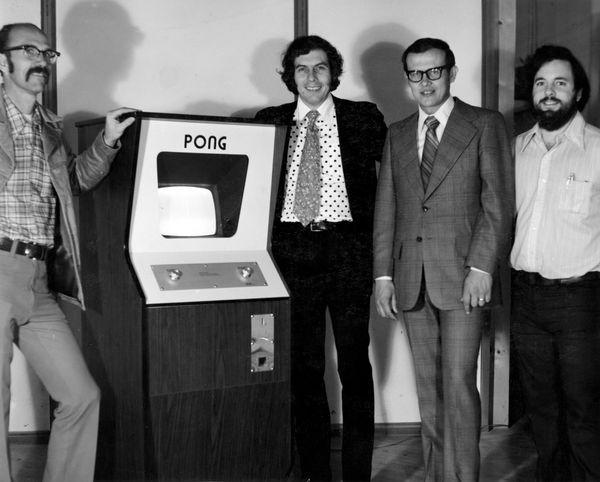
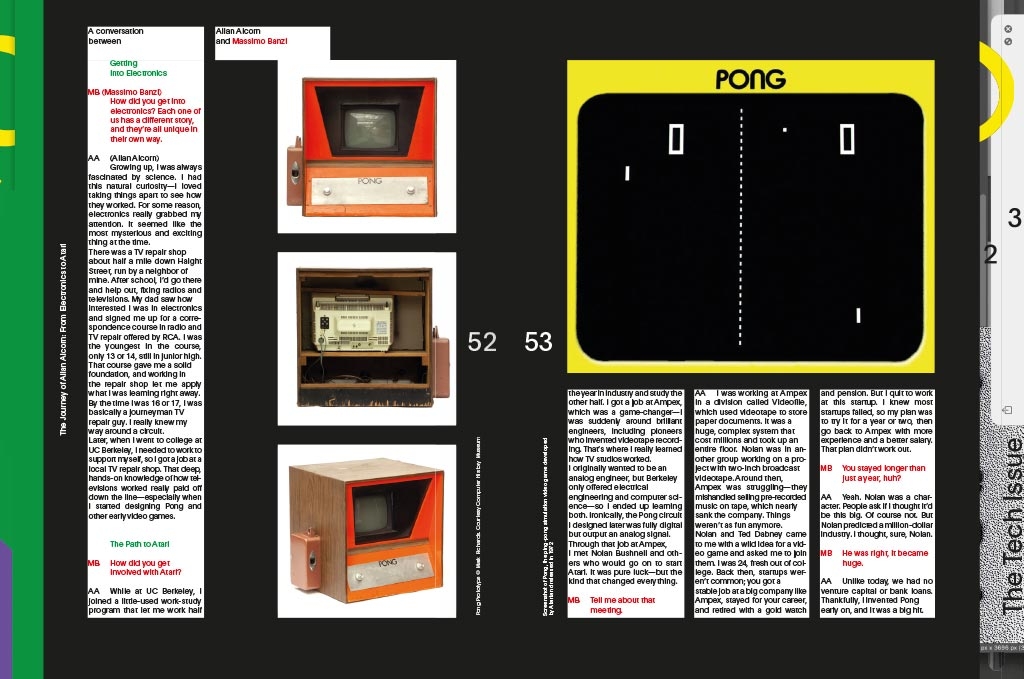
The Journey of Allan Alcorn
From Electronics to Atari
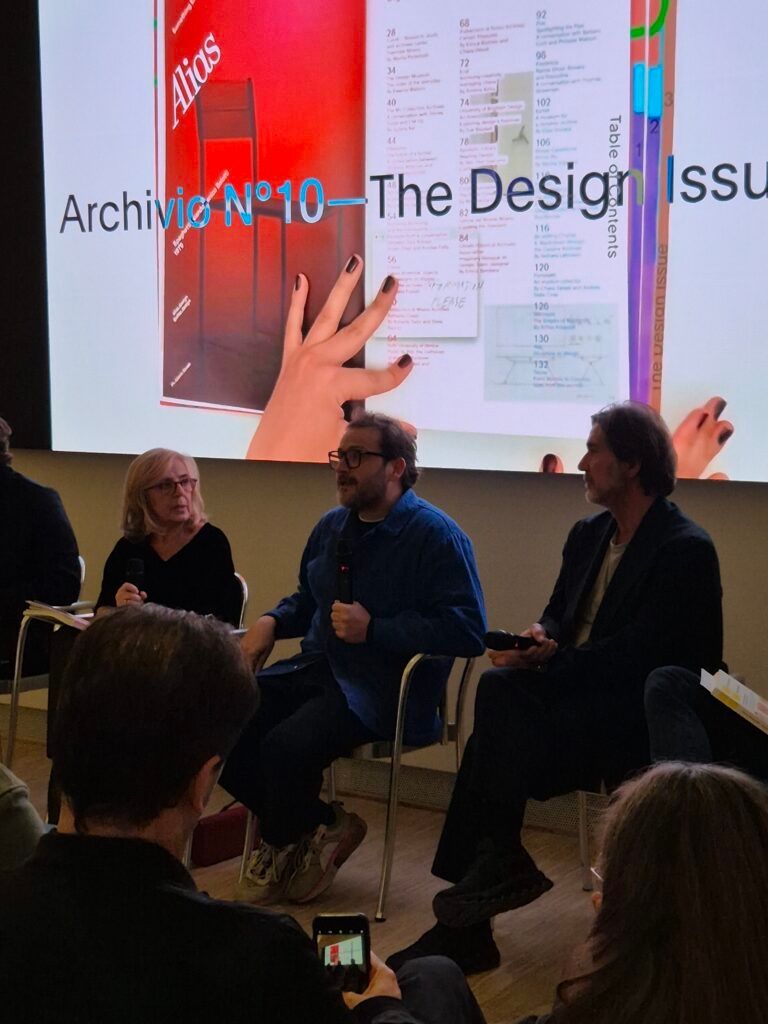
A conversation between Allan Alcorn and Massimo Banzi
Allan “Al” Alcorn, a key figure in both technology and gaming, is one of the foundational pioneers at the dawn of the video game industry. He is universally recognized as the creator of Pong, the game that turned electronic entertainment into a mainstream phenomenon. Born in San Francisco in 1948, Alcorn graduated in electrical engineering and computer science from Berkeley.
He was one of the very first employees hired by Nolan Bushnell at a fledgling startup called Atari. In 1972, as a training exercise, he was assigned to create a simple electronic ping-pong game. That project—featuring minimal graphics and incredibly intuitive gameplay—became Pong, whose explosive success laid the groundwork for Atari’s dominance and launched the video game industry as we know it.